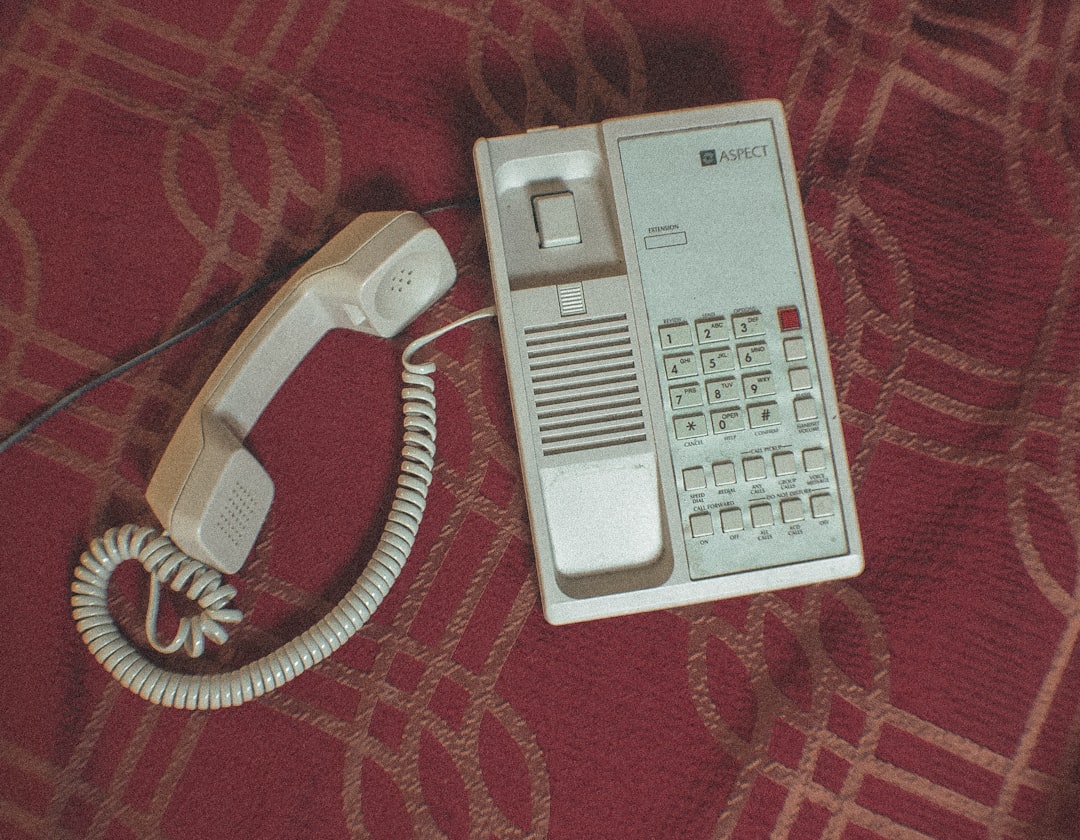
Iowa's Do Not Call Attorney regulations protect residents from unwanted telemarketing calls by enforcing explicit consent requirements for automated dialing systems. Businesses must maintain proper records, implement opt-out mechanisms, and review call logs to avoid substantial fines and legal action. Consumers can register with the state's Do Not Call Registry and file complaints with the Do Not Call Attorney for violations, ensuring their privacy rights are respected. This robust framework safeguards residents from intrusive calls while promoting ethical telemarketing practices.
In today’s digital age, the way we communicate is constantly evolving, leading to novel challenges for consumer protection. One such issue revolves around automatic dialing devices, particularly their restrictions under Iowa law. With the proliferation of automated calls, many Iowans have expressed concern over unwanted solicitations, often receiving calls from unknown sources despite registered Do Not Call lists. This article aims to demystify Iowa’s legal framework surrounding these devices, providing a comprehensive guide for residents seeking recourse against relentless telemarketers. By delving into the nuances of the law, we empower Iowans with knowledge, reminding them that a robust understanding of their rights is the first step towards asserting control over their communication preferences.
Understanding Iowa's Automatic Dialing Laws

Iowa’s Automatic Dialing Laws play a crucial role in regulating telemarketing practices, offering consumers protection from unwanted calls. These laws are designed to balance businesses’ efforts to reach potential customers with individuals’ rights to privacy and peace of mind. The primary focus is on ensuring that automatic dialing devices, often used by telemarketers, operate within ethical boundaries.
Under Iowa law, businesses must comply with the state’s Do Not Call Attorney regulations when utilizing automated dialing systems. This means obtaining prior explicit consent from recipients before making calls. A violation of these rules can lead to significant legal repercussions, including class-action lawsuits and substantial fines. For instance, in 2021, a settlement reached by a national telecommunications company resulted in a payment of $5 million to cover damages and penalties for widespread Do Not Call regulations violations.
Practical advice for businesses aiming to adhere to these laws includes maintaining detailed records of consumer consent, implementing robust opt-out mechanisms during initial interactions, and regularly reviewing call logs. By fostering transparency and respect for individual choices, businesses can navigate the complexities of Iowa’s Automatic Dialing Laws effectively while avoiding potential legal pitfalls.
What Constitutes a Do Not Call Request in IA?

In Iowa, a “Do Not Call” request is a formal notification from an individual or entity to opt-out of receiving telemarketing calls. This right is protected under state law, specifically the Telephone Consumer Protection Act (TCPA). A Do Not Call request can be made by any resident of Iowa who wishes to cease unwanted phone marketing efforts. It’s crucial to understand that this protection extends not only to residential landlines but also mobile phones and other communication devices.
A Do Not Call request in Iowa is typically initiated when a person or business receives unwanted telemarketing calls. According to the law, a consumer can register their number with the state’s Do Not Call Registry. This registry serves as a comprehensive list of numbers that marketers are prohibited from calling. To ensure effectiveness, the request should include the caller’s name, company, and contact information, along with a clear statement requesting the cessation of calls. For instance, a written communication like an email or letter could read: “Please remove my number from your marketing lists and do not call me again.”
It’s important to note that Iowa law recognizes both permanent and temporary Do Not Call requests. Permanent registration remains in effect indefinitely, while temporary listings are valid for a specified period. A Do Not Call Attorney Iowa can assist consumers in navigating these complexities, ensuring their rights are protected. In 2022, data from the Federal Trade Commission (FTC) reported that approximately 1.7 million complaints were filed regarding telemarketing calls nationwide, highlighting the ongoing need for such protections. Consumers should take advantage of these legal safeguards to reclaim control over their communication preferences.
Enforcing Restrictions: Role of the Do Not Call Attorney Iowa

The enforcement of automatic dialing device restrictions under Iowa law is a critical aspect of consumer protection, especially regarding telemarketing practices. In this regard, the Do Not Call Attorney Iowa plays a pivotal role in ensuring compliance with state regulations. This legal expert is instrumental in navigating the complex landscape of telephone consumer protection, particularly through the administration and interpretation of the “Do Not Call” registry.
Iowa’s Do Not Call Law grants residents the right to opt-out of unsolicited telemarketing calls, and the responsibility for enforcement lies partially with the Attorney General’s office. However, the Do Not Call Attorney Iowa takes a more direct approach, specializing in investigating complaints, conducting audits, and taking legal action against violators. Their expertise is crucial in identifying patterns of non-compliance, especially with automated dialing systems that often bypass traditional call restrictions. For instance, a recent study by the Iowa Attorney General’s office revealed a surge in unauthorized robocall activity, prompting targeted interventions by the Do Not Call Attorney to curb this pervasive issue.
Practical advice for businesses operating within Iowa’s jurisdiction is to stay informed about evolving regulations and engage professional legal counsel specializing in telemarketing law. Regular audits and training sessions on compliance can help prevent costly legal battles and maintain customer trust. By fostering a culture of ethical telemarketing practices, the Do Not Call Attorney Iowa contributes significantly to a fairer and more transparent business environment for all stakeholders.
Penalties and Fines for Violating IA Calling Rules
Under Iowa law, automatic dialing devices, commonly known as robocalls, are subject to strict regulations aimed at protecting consumers from unwanted telemarketing calls. Violating these rules can result in substantial penalties and fines for businesses and individuals alike. The state’s Do Not Call Attorney Iowa plays a pivotal role in enforcing these regulations, ensuring compliance and providing avenues for aggrieved parties to seek redress.
The penalties for violating Iowa’s calling rules are detailed and stringent. For instance, businesses that make more than 15 unauthorized calls within a 12-month period face fines ranging from $100 to $5,000 per call, with additional damages if it can be proven that the calls caused economic harm or distress to recipients. To mitigate these risks, companies utilizing automatic dialing systems must obtain explicit consent from callers before initiating any marketing or telemarketing calls. This includes implementing robust opt-out mechanisms and honoring requests to stop calling promptly.
Do Not Call Attorney Iowa offers critical guidance and support for both businesses aiming to comply with the law and individuals facing relentless robocalls. In cases where a business fails to honor a valid do-not-call request, the attorney’s intervention can lead to substantial fines and legal repercussions for the offender. Furthermore, consumers who feel their privacy rights have been violated can file complaints with the Do Not Call Attorney, triggering an investigation that may result in corrective actions and, if warranted, financial penalties against the offending party. This robust framework underscores Iowa’s commitment to safeguarding its residents from intrusive and unauthorized telemarketing practices.
Consumer Rights and Protections Under IA Law

Iowa law provides significant consumer rights and protections regarding automatic dialing devices, also known as automated phone systems. The Iowa Department of Justice emphasizes the importance of preserving privacy and blocking unwanted calls, especially for individuals on the Do Not Call list. According to state regulations, businesses are prohibited from using automated telephone dialing equipment to make sales or marketing calls to residents who have registered on the Do Not Call list. This restriction is a powerful tool for consumers to assert their right to silence from intrusive telemarketing calls.
Consumers in Iowa have the legal recourse to file complaints with the Attorney General’s Office if they believe their rights have been violated. The Do Not Call Attorney Iowa plays a pivotal role in ensuring compliance and offering guidance. For instance, if a business continues to contact consumers on the Do Not Call list, individuals can document these calls and report them, potentially leading to legal action against the offending party. This strict adherence to regulations demonstrates the state’s commitment to protecting its citizens from nuisance calls.
Practical advice for consumers includes regularly reviewing and updating their Do Not Call status and being vigilant in reporting any violations. By exercising their rights and staying informed about these protections, Iowa residents can enjoy a quieter, more peaceful environment free from unwanted automated dialing. Staying aware of one’s legal standing against such practices is essential to maintaining control over personal communication preferences.