
Iowa's Do Not Call Registry protects residents from unwanted telemarketing by requiring explicit consent. Individuals can register through the Iowa Department of Commerce, while businesses must adhere to strict rules or face fines and lawsuits. A lawyer for Do Not Call Laws Iowa offers guidance on compliance and legal defense in complex cases. Proactive registration reduces intrusions, ensuring a quieter communication environment for Iowans.
In the digital age, where communication channels are vast and diverse, ensuring compliance with do-not-call registries remains a critical aspect of consumer protection. Iowa’s Do Not Call Registry is designed to safeguard residents from unsolicited telemarketing calls, offering them peace of mind and control over their privacy. However, navigating these laws can be complex, especially for businesses aiming to comply while avoiding legal pitfalls. This article provides an in-depth overview, guiding businesses and individuals alike on understanding and adhering to Iowa’s do-not-call regulations, with valuable insights from experts, including a lawyer specializing in Do Not Call Laws Iowa, ensuring comprehensive compliance.
Understanding Iowa's Do Not Call Registry Laws
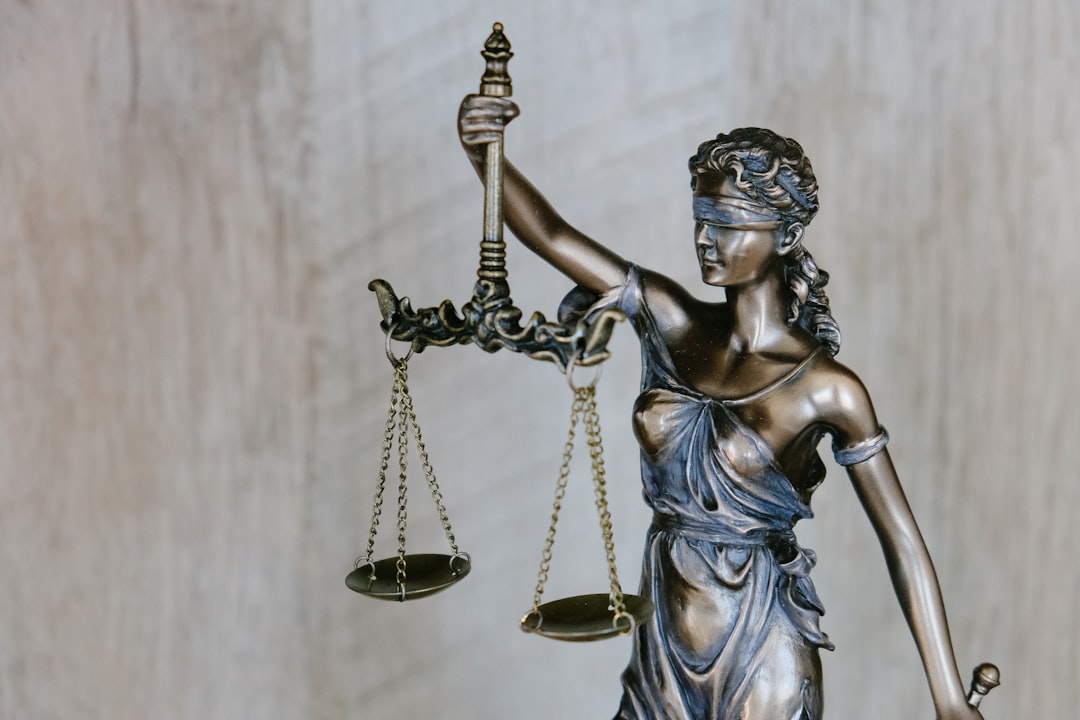
Iowa’s Do Not Call Registry laws are designed to protect residents from unwanted telemarketing calls, offering them a measure of control over their phone privacy. The state has established specific regulations that businesses and organizations must adhere to when conducting telemarketing activities. Understanding these laws is crucial for both consumers and businesses alike to ensure compliance and avoid potential penalties.
At the heart of Iowa’s regulatory framework lies the requirement for companies to obtain explicit consent from residents before making promotional calls. This means that unless a consumer has given their permission, businesses must refrain from initiating calls with the intent to sell or promote their products or services. Non-compliance can lead to legal repercussions, as evidenced by recent cases where telemarketers have faced fines and lawsuits for violating these rules. One notable example saw a company fined $10,000 for making repeated calls to individuals on the Do Not Call Registry list.
Consumers in Iowa have a powerful tool at their disposal—they can register their phone numbers with the state’s Do Not Call Registry, effectively opting out of most telemarketing calls. This registry is managed by the Iowa Department of Commerce, which enforces the laws and ensures compliance. It’s advisable for residents to familiarize themselves with this process, especially when dealing with persistent unwanted calls. Engaging a lawyer specializing in Do Not Call Laws in Iowa can provide individuals with legal guidance on navigating these regulations and protecting their rights effectively.
How to Register: A Step-by-Step Guide

Registering your number on Iowa’s Do Not Call Registry is a straightforward process designed to protect residents from unwanted telemarketing calls. This step-by-step guide outlines the actions required, emphasizing the importance of accurate and timely registration. Begin by gathering necessary information, including your full name, residential address, phone number, and the type of phone you use for personal or business purposes. Accurate documentation ensures your entry is processed efficiently.
Next, visit the official Iowa Do Not Call Registry website to initiate the registration process online. Create an account using the provided platform, ensuring you meet the eligibility criteria, such as being a resident of Iowa and owning or leasing a phone number within the state. Once registered, confirm your entry by providing a valid email address where notifications will be sent regarding any changes in the registry. This step is crucial for maintaining compliance with Iowa’s Do Not Call Laws, administered by the Iowa Attorney General’s Office.
Should you require assistance during registration or encounter issues, consider consulting a lawyer specializing in Do Not Call Laws in Iowa. Legal expertise can provide clarity and help navigate any complexities. For instance, a lawyer can guide you through unique circumstances like business-related numbers or specific types of calls that may have varying registry requirements. Proactive registration and understanding these laws contribute to a quieter, more peaceful communication environment for Iowans.
Compliance Requirements for Businesses

In Iowa, businesses must comply with the state’s Do Not Call Registry to avoid legal repercussions and maintain customer relations. The registry, a comprehensive list of telephone numbers that have opted out of unsolicited sales calls, is strictly enforced by the Iowa Division of Commerce. Non-compliance can result in substantial fines, with penalties reaching up to $10,000 per violation. To ensure adherence, businesses are required to implement robust internal policies and procedures, including acquiring accurate consumer consent, maintaining comprehensive call records, and employing automated systems that respect the registry.
One of the primary compliance requirements for businesses involves obtaining explicit consumer consent before initiating telemarketing calls. This means clear, audible opt-in confirmations must be recorded during the initial customer interaction. For instance, a business should never assume prior business relationships as sufficient consent; each call requires a fresh, verifiable approval from the consumer. Furthermore, companies must provide a clear and straightforward mechanism for consumers to register their numbers on the Do Not Call Registry, ensuring ease of access and participation.
Regular training for employees involved in telemarketing activities is another critical aspect of compliance. This training should cover not only the legal obligations but also best practices for respectful and effective communication with potential customers. It’s advisable for businesses to consult a lawyer specializing in Do Not Call Laws Iowa to tailor their internal policies and ensure they meet all regulatory standards. Regular audits of call records can help maintain accuracy and identify any deviations from compliance, allowing businesses to rectify issues promptly and avoid legal troubles.
Legal Implications & The Role of a Lawyer

The Do Not Call Registry in Iowa is a significant legal mechanism designed to protect consumers from unwanted telephone solicitations. Compliance with this registry is not just a matter of avoiding fines; it carries substantial legal implications, particularly when disputes arise or violations are alleged. In such cases, involving a lawyer for Do Not Call Laws Iowa becomes crucial. Legal experts can navigate the intricate web of regulations, ensuring businesses and individuals alike understand their rights and responsibilities.
A key aspect to consider is that state laws, including those related to the Do Not Call Registry, are subject to interpretation by courts. This means what constitutes a violation can vary based on specific circumstances. For instance, a business might believe it has obtained proper consent to call a number listed on the registry, only to have it deemed a violation due to a technicality or differing legal interpretations. Here, a lawyer with expertise in Iowa’s Do Not Call Laws can offer strategic guidance, advising on best practices to minimize risks and ensuring compliance with evolving regulations.
Moreover, should a case reach litigation, having a lawyer by your side is invaluable. Legal professionals can present compelling arguments, draw upon relevant precedents, and advocate for your interests. They can also facilitate negotiations, helping to resolve disputes out of court when possible. For businesses operating within Iowa, consulting with a local lawyer specializing in Do Not Call Laws can provide peace of mind, ensuring compliance not just as a formality but as a strategic decision that protects against potential legal repercussions.