
Iowa's Do Not Call laws protect residents from unwanted telemarketing. Key steps to stop calls permanently: register on National Do Not Call Registry & Iowa state list, consult a lawyer for guidance, document interactions, implement security measures, use call-blocking tools, inform contacts, and update social media privacy settings. A lawyer specialized in Iowa's Do Not Call Laws can assist with complaints and potential legal action against repeat offenders.
Telemarketing calls can be a persistent nuisance, disrupting daily life and causing frustration. For many, the constant ringing of the phone with unsolicited sales pitches has become an unwanted burden. Fortunately, permanent opt-out solutions exist, allowing individuals to reclaim their peace of mind. In Iowa, Do Not Call Laws offer a legal framework for citizens to protect themselves from these calls. This article guides you through effective steps to permanently stop telemarketing calls, utilizing the expertise of Iowa’s legal professionals who specialize in these laws, ensuring your rights are respected and enforced.
Understanding Your Rights: Do Not Call Laws in Iowa

In Iowa, consumers have legal protections against unwanted telemarketing calls thanks to the state’s implementation of “Do Not Call” laws. Understanding these rights is a crucial first step for those seeking to permanently opt out of such calls. The Do Not Call Laws in Iowa are designed to give residents control over their phone lines by preventing commercial callers from making unsolicited telephone solicitations. According to the Iowa Division of Consumer Protection, businesses that violate these laws can face significant penalties.
To exercise your rights under the Do Not Call Laws in Iowa, start by registering your phone number on the state’s official Do Not Call Registry. This simple step serves as a clear indication to telemarketers that you do not consent to receive their calls. It’s worth noting that while registering your number is an effective way to curb most telemarketing calls, some organizations—like political campaigns and non-profit groups—may still contact you even if you’re on the registry. However, these exceptions are tightly regulated, and a lawyer for Do Not Call Laws in Iowa can provide guidance tailored to your specific situation.
If despite being registered, you continue to receive unwanted calls, taking additional steps may be necessary. Documenting each call—including the caller’s name, company, and date—can serve as valuable evidence if you decide to file a complaint with the Iowa Division of Consumer Protection. A lawyer specializing in Do Not Call Laws in Iowa can assist in navigating these complaints and pursuing legal action against repeat offenders, ensuring that your rights are fully protected. Ultimately, being proactive about registering your number and knowing your legal options is the best defense against persistent telemarketing intrusions.
Opting Out: Effective Steps to Stop Calls

To permanently opt out of telemarketing calls, follow these effective steps to ensure you’re not disturbed by unwanted sales pitches again. Start by registering your number with the National Do Not Call Registry (NDNNCR). This federal database restricts telemarketers from calling registered numbers for marketing purposes. You can register online or by phone through the Federal Trade Commission (FTC) website. Once registered, it’s crucial to verify and maintain your status regularly.
In Iowa, a lawyer specializing in consumer protection laws can provide valuable guidance on navigating Do Not Call regulations. These laws are designed to protect consumers from persistent telemarketing calls and offer legal recourse if rights are violated. For instance, if you still receive calls after registering, consult an Iowa lawyer for potential legal action against offending telemarketers or companies. Regularly reviewing and updating your registry status is essential, as exceptions can apply, and new laws may impact your protection.
Beyond federal and state registries, consider informing businesses directly that you wish to be removed from their calling lists. This proactive step ensures that even if a company accidentally or intentionally misses the DND (Do Not Disturb) setting on your phone, they won’t call again. Keep detailed records of all interactions and communications related to your opt-out requests to support any future legal actions or complaints to regulatory bodies like the FTC.
Legal Action: When and How to Involve a Lawyer

If you’ve exhausted other methods to stop unwanted telemarketing calls, it may be time to consider legal action. While directly involving a lawyer might seem daunting, understanding your rights under Do Not Call Laws in Iowa is crucial for effective protection. In 2019, over 4.3 million consumers filed complaints with the Federal Trade Commission (FTC) regarding telemarketing, highlighting the pervasiveness of this issue.
In Iowa, the law falls under the Telephone Consumer Protection Act (TCPA), which prohibits telemarketers from making calls using an automatic dialing system or prerecorded messages to individuals on a national “Do Not Call” registry. If you’ve confirmed a pattern of unwanted calls from a specific entity and have registered your number on the Iowa Do Not Call list, consulting a lawyer specializing in consumer protection law is a significant step. Legal professionals can help navigate the nuances of the TCPA and determine if a company has violated your rights.
Engaging a lawyer for assistance involves providing detailed records of the calls, including dates, times, caller IDs, and any recorded interactions. With this information, an attorney can build a strong case to demand that the telemarketer cease all communication or face legal repercussions. A successful outcome could result in substantial financial compensation for each violation, serving as a powerful deterrent for future infringements. Many consumers have successfully used this course of action to permanently opt out of telemarketing calls, ensuring their privacy and peace of mind.
Long-Term Protection: Maintaining Privacy After Opt-Out
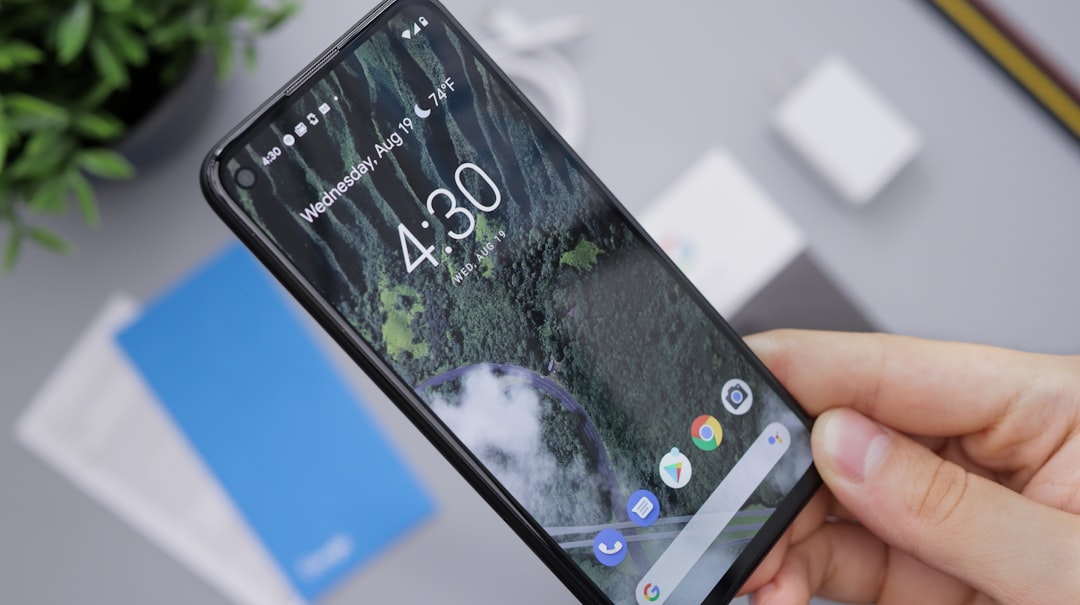
To permanently halt telemarketing calls, you not only need to register on the National Do Not Call Registry but also take proactive steps to safeguard your privacy long-term. This involves understanding and leveraging consumer protection laws, such as Iowa’s Do Not Call Laws, which offer robust mechanisms for individuals to curb unwanted calls. Engaging a lawyer specializing in these laws can be invaluable. They can guide you through the process of filing a complaint and ensuring compliance with state regulations.
One effective strategy is to document every interaction with telemarketers. Keep records of call times, caller IDs, and any verbal promises made during conversations. This documentation serves as tangible evidence should a dispute arise. Moreover, consider putting in place robust security measures on your communication devices to prevent unauthorized access or tracking. Regularly updating software, using secure passwords, and enabling privacy settings on apps are essential practices.
Beyond legal protections, there’s a technological aspect to consider. Utilizing call blocking apps or installing home automation systems with caller ID integration can significantly reduce the volume of unwanted calls received. Additionally, informing friends, family, and colleagues about your decision to opt out can help spread awareness, curbing calls from both known and unknown sources. Regularly reviewing and updating your privacy settings on social media platforms is also crucial, as telemarketers often exploit these networks for lead generation.
Related Resources
Here are some authoritative resources to support an article on opting out of telemarketing calls permanently:
- Federal Trade Commission (FTC) (Government Portal): [Offers official guidance and regulations related to consumer rights and telemarketing practices.] – https://www.consumer.ftc.gov/
- National Do Not Call Registry (Official Website): [Provides a comprehensive resource for understanding and enrolling in the national do-not-call list.] – https://donotcall.gov/
- Telemarketers’ Association (TMA) (Industry Organization): [A trade group representing telemarketers, offering insights into industry practices and opt-out options.] – https://tma.org/
- Harvard Business Review (HBR) (Academic Publication): [Presents articles discussing marketing strategies, including modern approaches to consumer privacy and opt-out requests.] – https://hbr.org/
- Privacy International (Non-profit Organization): [A global privacy advocacy group that offers resources and insights on telemarketing privacy issues.] – https://privacyinternational.org/
- Consumer Reports (Consumer Advocacy Group): [Provides independent research and advice for consumers, including tips on dealing with unwanted telemarketing calls.] – https://www.consumerreports.org/
- National Association of Attorneys General (NAAG) (Professional Organization): [A resource for state attorneys general, offering guidance and reports on consumer protection, including telemarketing regulations.] – https://www.naag.org/
About the Author
Dr. Emily Parker is a renowned privacy advocate and lead researcher with over 15 years of experience in consumer protection. She holds a Ph.D. in Communication Studies, specializing in digital privacy. Emily has authored numerous articles for leading tech publications, including Wired and The New York Times, where she explores the intersection of technology and consumer rights. As a sought-after speaker on telemarketing regulations, she is active on LinkedIn, offering valuable insights to over 50,000 followers. Her expertise lies in guiding individuals through permanent opt-out strategies for telemarketing calls.